
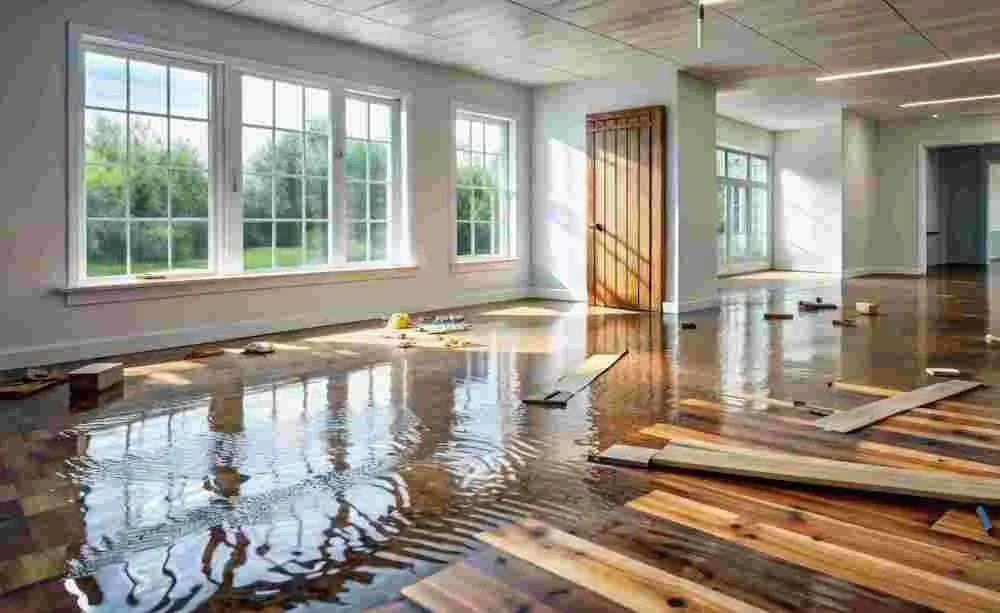
Water damage can happen fast in North Idaho homes. A burst pipe, leaking appliance, flooded crawl space, roof leak, or storm-related water intrusion can leave homeowners wondering what to do first and how serious the damage really is.
For homeowners in Rathdrum, Coeur d’Alene, Hayden, Post Falls, and the surrounding North Idaho area, quick action matters. The longer water sits inside a home, the greater the risk of hidden moisture, damaged drywall, ruined flooring, unpleasant odors, and mold growth.
At Northern Lights Mitigation & Consulting, we help local property owners respond to water damage quickly, safely, and professionally. Whether you are dealing with a small leak or a major flooding issue, knowing what steps to take can help limit damage and protect your home.
What Should You Do Immediately After Water Damage?
The first thing to do after water damage is to make sure the area is safe. If there is standing water near electrical outlets, appliances, cords, or your breaker panel, do not enter the area until it has been checked. Water and electricity are a serious hazard.
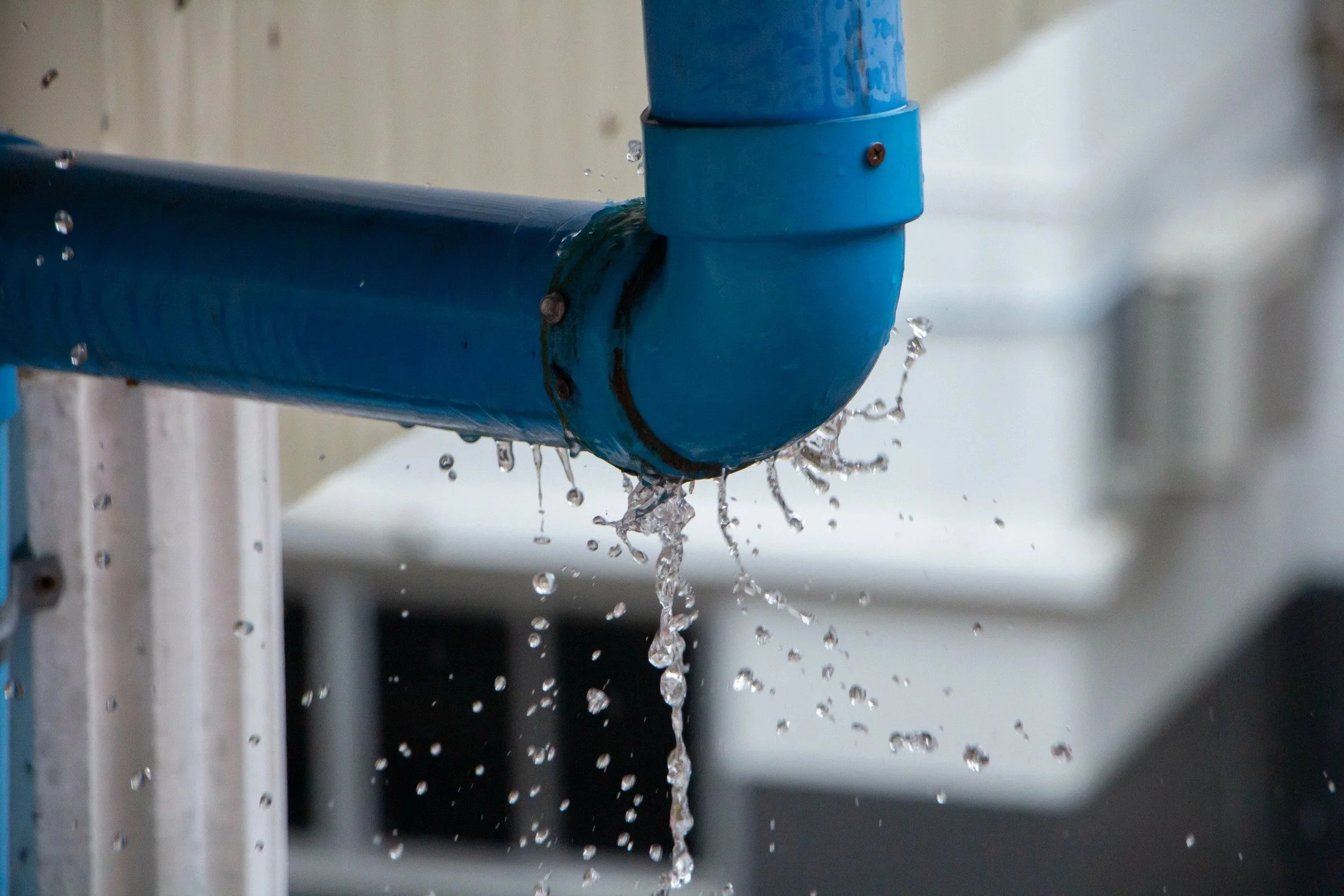
Once safety is addressed, the next step is to stop the source of water if possible. This may mean shutting off the main water valve, turning off a leaking appliance, or placing a temporary barrier under an active roof leak. If the water is coming from a sewage backup, floodwater, or another contaminated source, avoid contact and call a professional immediately.
After that, document the damage. Take photos and videos of the affected areas before removing materials or moving items. This can be helpful if you need to speak with your insurance company.
Then, call a professional water mitigation company. Water damage is often more extensive than it looks on the surface. Moisture can move behind baseboards, under flooring, into wall cavities, and into crawl spaces. Professional inspection and drying can help reduce the risk of long-term problems.
What Is the Difference Between Water Damage Restoration and Water Mitigation?
Many homeowners hear both terms and assume they mean the same thing. They are closely related, but they are not identical.

Water mitigation is the immediate response process. The goal is to stop the damage from getting worse. This can include water extraction, moisture inspection, removing unsalvageable materials, setting up drying equipment, and controlling humidity.
Water damage restoration is the broader process of returning the home or building to a safe and usable condition. This may include repairs, material replacement, odor removal, mold prevention, and final checks to confirm the affected areas are dry.
In simple terms, mitigation comes first. Restoration follows after the water has been removed and the structure is properly dried.
How Much Does Water Damage Restoration Cost?
The cost of water damage restoration depends on several factors, including the size of the affected area, how long the water has been present, the type of water involved, and which materials were damaged.
A small clean water leak that is caught quickly may cost far less than a flooded basement, sewage backup, or long-term hidden leak inside a wall. Costs may also increase if flooring, drywall, insulation, cabinetry, crawl space materials, or personal belongings are affected.
Some of the main factors that influence cost include:
How much water is present
More water typically means more extraction, more equipment, and a longer drying process.Where the water traveled
Water under flooring or inside walls is more complicated than surface water on tile or concrete.The category of water
Clean water from a supply line is treated differently than gray water from an appliance or contaminated water from a sewer backup.How quickly the issue was addressed
Delayed response can lead to secondary damage, odor issues, and possible mold concerns.Whether demolition is needed
Some materials can be dried in place. Others may need to be removed.
Because every job is different, the best way to understand pricing is to schedule a professional inspection. A mitigation quote should clearly explain what areas are affected, what equipment may be needed, what materials may need removal, and what the drying process will involve.
Will Insurance Cover Water Damage Restoration?
Insurance coverage depends on the source of the water damage and the details of your policy. Many homeowners insurance policies may cover sudden and accidental water damage, such as a burst pipe or appliance failure. However, gradual leaks, poor maintenance, outside flooding, or groundwater issues may be handled differently.
For example, a sudden pipe break inside the home may be treated differently than water entering from outside due to heavy rain or drainage issues. Flood insurance is often separate from standard homeowners insurance.
Before assuming what is or is not covered, contact your insurance provider. It also helps to work with a water mitigation company that can document moisture readings, affected areas, removed materials, and the scope of work. Clear documentation can make the claims process easier to understand.
Northern Lights Mitigation & Consulting can help homeowners in North Idaho identify the affected areas and provide documentation related to the mitigation process.
How Long Does Water Restoration Take?
The timeline depends on the severity of the damage. Some smaller water mitigation jobs may dry in a few days. Larger or more complicated projects can take longer, especially if water has reached insulation, subflooring, crawl spaces, cabinets, or wall cavities.
The drying phase often depends on:
The amount of water present
The materials affected
Indoor humidity levels
Airflow and temperature
How quickly the water was discovered
Whether demolition is needed
Whether mold or contamination is involved
Professional restoration companies use moisture meters and drying equipment to track progress. The process is not based only on how things look or feel. A wall or floor can appear dry on the surface while still holding moisture underneath.
How Do Professionals Dry Out a Flooded Home?
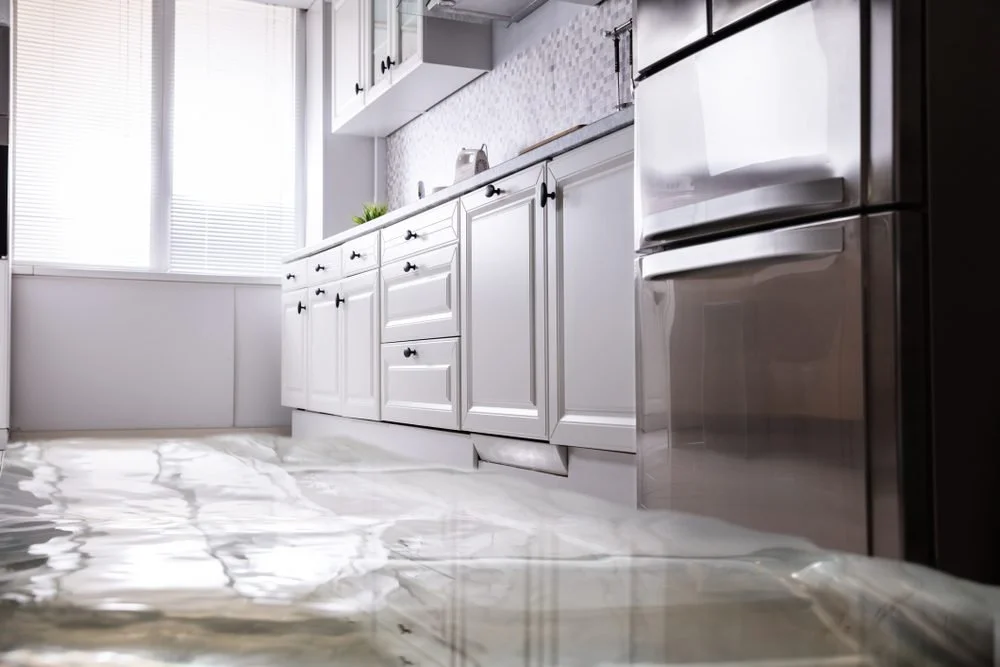
Professional water mitigation involves more than placing a few fans in the room. A proper drying process usually starts with an inspection to identify visible and hidden moisture.
From there, the process may include water extraction, removal of damaged materials, setting up air movers, using dehumidifiers, monitoring moisture levels, and adjusting equipment as needed. The goal is to remove moisture from the air and affected materials so the structure can dry safely.
Common tools used in water mitigation may include:
Moisture meters
Thermal imaging tools
Water extraction equipment
Air movers
Dehumidifiers
Air scrubbers when needed
Containment materials when appropriate
This is one of the reasons DIY drying can be risky. Household fans may move air, but they do not properly control humidity or confirm whether hidden moisture is still present.
How Do You Know If Water Damage Is Hidden in Walls or Floors?
Hidden water damage is one of the biggest concerns after a leak or flood. Water can travel behind drywall, under baseboards, beneath carpet padding, below vinyl plank flooring, and into subfloor materials.
Signs of hidden water damage may include:
Musty odors
Soft or swollen drywall
Bubbling paint
Warped flooring
Staining on walls or ceilings
Baseboards separating from the wall
Persistent dampness
Increased indoor humidity
Mold-like spots appearing after the leak
In North Idaho homes, crawl spaces can also be a major concern. Water intrusion in a crawl space can affect insulation, wood framing, indoor air quality, and long-term moisture control.
If you suspect water moved beyond the visible area, it is best to schedule a water damage inspection.
How Quickly Can Mold Grow After Water Damage?
Mold is one of the most common concerns after water damage. When moisture is not removed properly, mold can develop on drywall, wood, insulation, carpet padding, and other porous materials.
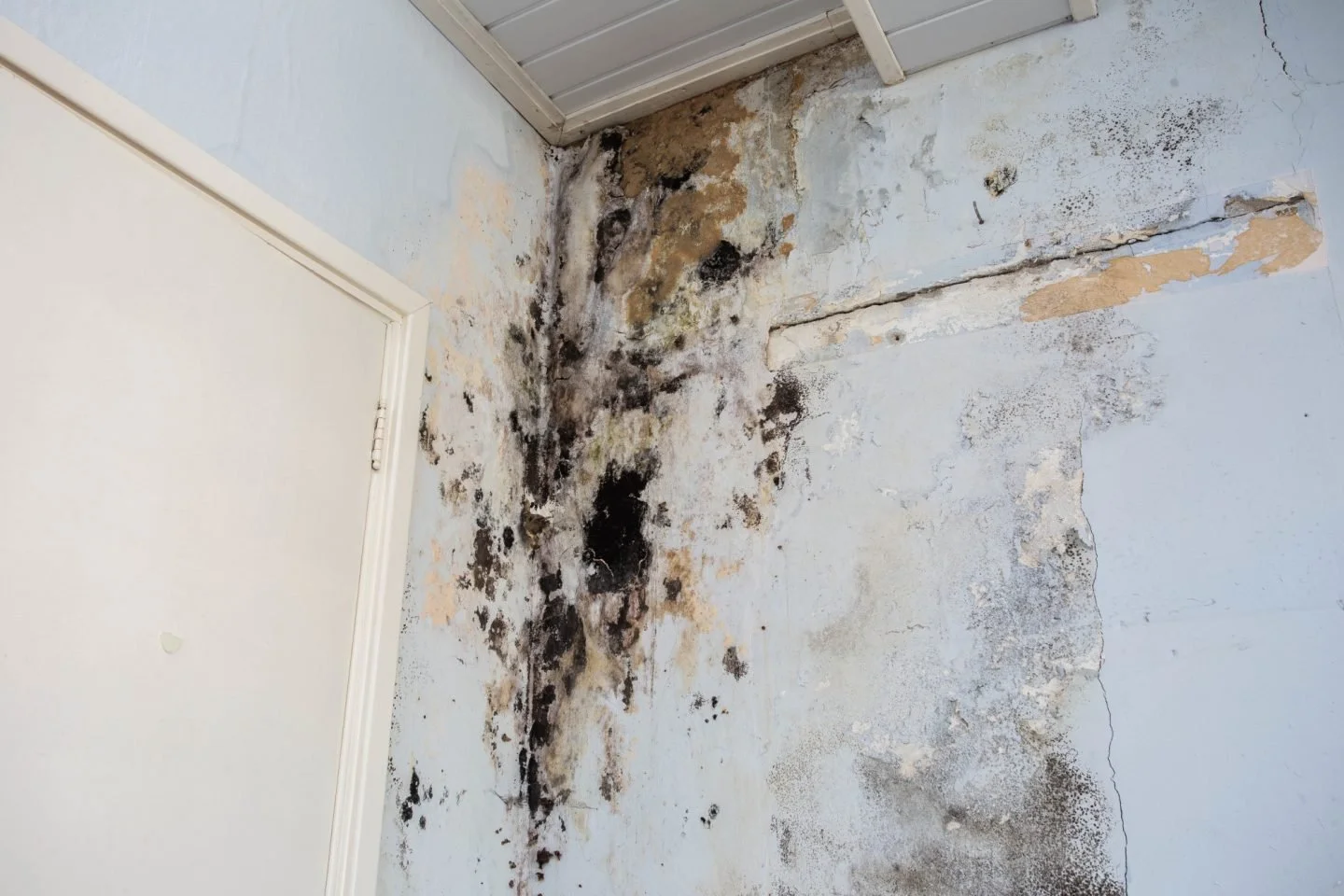
The key issue is not just removing standing water. The structure has to be dried correctly. If wet materials remain damp, the risk of mold increases. That is why fast mitigation and moisture testing are so important.
Homeowners should be especially cautious if they notice musty smells, discoloration, allergy-like symptoms, or damp areas that do not seem to dry. Northern Lights Mitigation & Consulting also provides mold mitigation and indoor air quality testing, which can be valuable when water damage has been present for an unknown amount of time.
Can You Stay in Your Home During Water Restoration?
In some cases, yes. If the water damage is limited to a small area and the home remains safe, many homeowners can stay during the drying process.
However, staying in the home may not be recommended if there is contaminated water, major demolition, electrical concerns, strong odors, mold concerns, or limited access to essential areas like bathrooms, kitchens, or bedrooms.
A professional mitigation team can help determine whether the home is safe to occupy during the process. Safety, sanitation, and air quality should always come first.
What Should You Do With Wet Drywall, Flooring, and Belongings?
Not everything that gets wet has to be thrown away, but not everything can be saved either. The decision depends on the material, the type of water, and how long it has been wet.
Drywall, carpet padding, insulation, and particleboard materials are often harder to salvage, especially if they have absorbed water. Hardwood floors may be saved in some cases if the response is quick and the drying process is handled correctly. Personal belongings may also be restorable depending on the material and level of contamination.
Avoid making major disposal decisions before the area has been inspected. A professional can help determine what should be dried, cleaned, removed, or replaced.
When Is Water Damage Too Much for DIY?
Small spills or very minor leaks on hard surfaces may be manageable for a homeowner. However, professional help is usually recommended when water has spread beyond the surface, reached walls or floors, affected multiple rooms, entered a crawl space, or involved contaminated water.
You should call a professional if:
Water has been sitting for more than a short period of time
The source of the leak is unknown
Flooring is warping or lifting
Drywall feels soft or swollen
There is a musty smell
Mold is visible or suspected
Water reached electrical areas
The damage involves sewage or dirty water
The affected area is larger than you can dry quickly
You need documentation for insurance
The faster you call, the better chance you have of limiting damage.
Local Water Damage Help in Rathdrum, CDA, Hayden, and Post Falls
Water damage is stressful, but the right response can make a major difference. Whether the issue is a burst pipe in Rathdrum, a flooded basement in Coeur d’Alene, a crawl space moisture problem in Hayden, or appliance-related water damage in Post Falls, Northern Lights Mitigation & Consulting is ready to help.
Our team provides water damage restoration, water mitigation, mold mitigation, odor removal, indoor air quality testing, and related restoration services for homes and businesses across North Idaho.
If you are dealing with water damage, do not wait for the problem to dry on its own. Hidden moisture can create bigger issues over time. Schedule a professional inspection and get the right mitigation plan in place.
Need water damage restoration in North Idaho? Contact Northern Lights Mitigation & Consulting today for help in Rathdrum, Coeur d’Alene, Hayden, Post Falls, and surrounding communities.
Frequently Asked Questions About Mitigation
-
First, make sure the area is safe. Avoid standing water near electrical outlets, cords, or appliances. Stop the water source if possible, document the damage with photos and videos, and call a professional water mitigation company to inspect the affected area.
-
The timeline depends on how much water is present, what materials were affected, and whether moisture has reached walls, floors, or crawl spaces. Smaller projects may take a few days to dry, while more serious damage can take longer.
-
Coverage depends on your policy and the source of the water damage. Sudden and accidental damage, such as a burst pipe, may be covered, while outside flooding or long-term leaks may require different coverage. Contact your insurance provider for details.
-
Common signs include musty odors, discoloration, damp materials, soft drywall, warped flooring, and allergy-like symptoms indoors. If water damage was not dried correctly, a mold inspection or indoor air quality test may be recommended.
